

West Africa’s Manufacturing Surge and The Mid-Sized Factory Advantage
28 July, 2025
West Africa is quietly but steadily establishing itself as a manufacturing powerhouse on the continent. As of 2023, the region ranks second only to North Africa( source: futures.issafrica.org) in manufacturing contribution to GDP, with sustained growth in value-added output over the past decade. Mid-sized manufacturing operations are key to this strategic rise, with mid-sized factories emerging as the most viable, scalable entry point for industrial investors targeting West Africa.

Landscape in West Africa: Ghana, Accra | Getty Images
Nowhere is this more evident than in Lagos, Nigeria, the region’s commercial nerve center (source: cnn.com). In the mega African city, rising disposable incomes (source: guardian.ng) through access to international remittances (source: businessday.ng), freelance foreign income, and side-hustle culture cushioning many households from currency volatility, fuel demand for aspirational consumer goods and construction materials (source: statista.com).
This shift marks a critical evolution in the regional industrial strategy (source: ecotis.ecowas.int). Rather than focusing solely on large-scale, capital-intensive projects that require years of planning and millions in sunk costs, global manufacturers are increasingly drawn to mid-sized operations (source: deloitte.com) that are agile, cost-effective, and regionally responsive, particularly in fast-moving consumer goods (FMCG), building materials, and packaging.
The Demand Drivers Powering the Surge
At the heart of it lies a powerful shift in regional consumption patterns. West Africa’s population is large, young, urban, and hungry for products that support modern lifestyles. In Lagos, rising disposable income is not uniform, but it is real within specific consumer segments.
Despite broader economic challenges, the city’s urban middle class and upper-income earners have shown remarkable spending resilience (source: guardian.ng), especially in dual-income households, diaspora-supported families (source:african.business) (remittances go to over US $20 billion annually, with estimates above US $600 million per month by September 2024), and people working in sectors less impacted by economic shocks (source: elibrary.imf.org), such as tech, finance, logistics, and private healthcare.
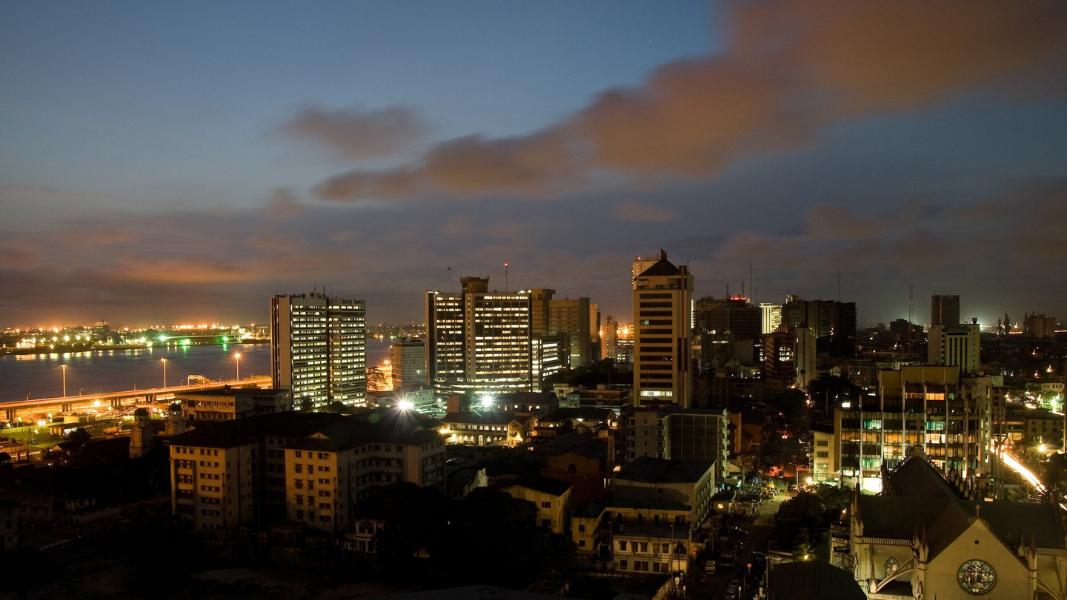
Lagos Marina at Dusk | Artish
Lagos also remains Nigeria’s most economically diverse city. In this environment, demand for essential and aspirational goods has persisted and deepened in quality and frequency. This focused consumption strength (source: finance.yahoo.com) beyond mass affluence, fuels the current boom in mid-sized, demand-responsive manufacturing.
Critically, this demand isn’t abstract; it is deeply sector-specific:
FMCG
The consumption of processed foods, beverages, personal care products, and household cleaning supplies is growing rapidly in the city (source: nielseniq.com), and mid-sized plants are better suited to producing these short-life-cycle goods.
These types of products need to be frequently updated, restocked, or reformulated to meet the changing consumer tastes and demand. Mid-sized plants offer the flexibility and speed needed to respond quickly.
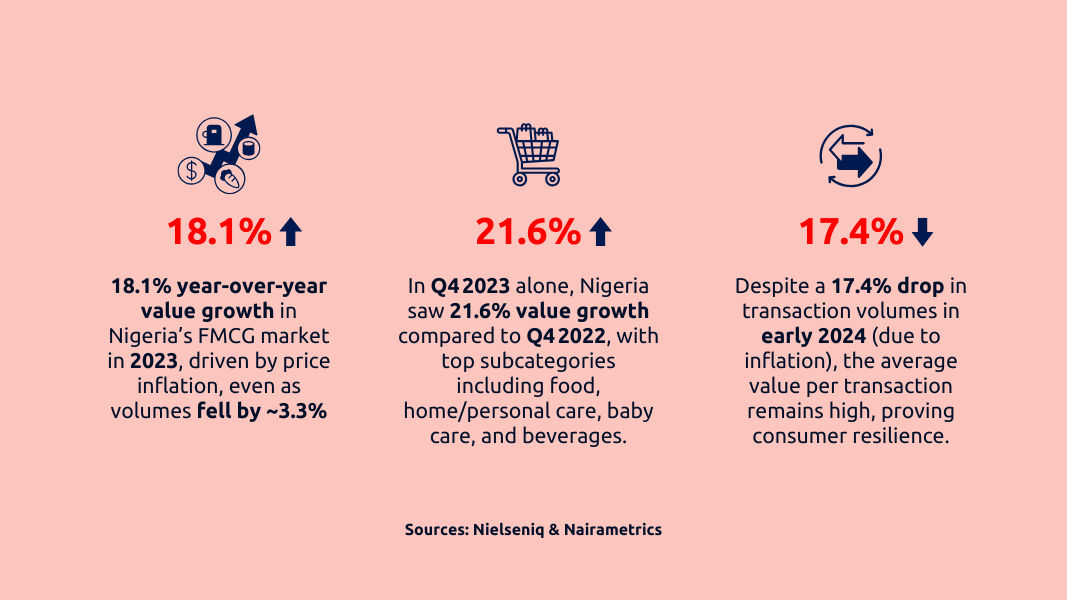
These figures show that while consumers are buying fewer units, they’re paying more per item, making rapid, localized production via mid-sized FMCG plants ideal for pricing agility and regional adaptation.
Building Materials
With urban expansion in Lagos, Accra, and Abidjan, demand for cement, tiles, steel products, and insulation materials is climbing. Mid-sized plants are uniquely positioned to service construction booms without overextending capital exposure.
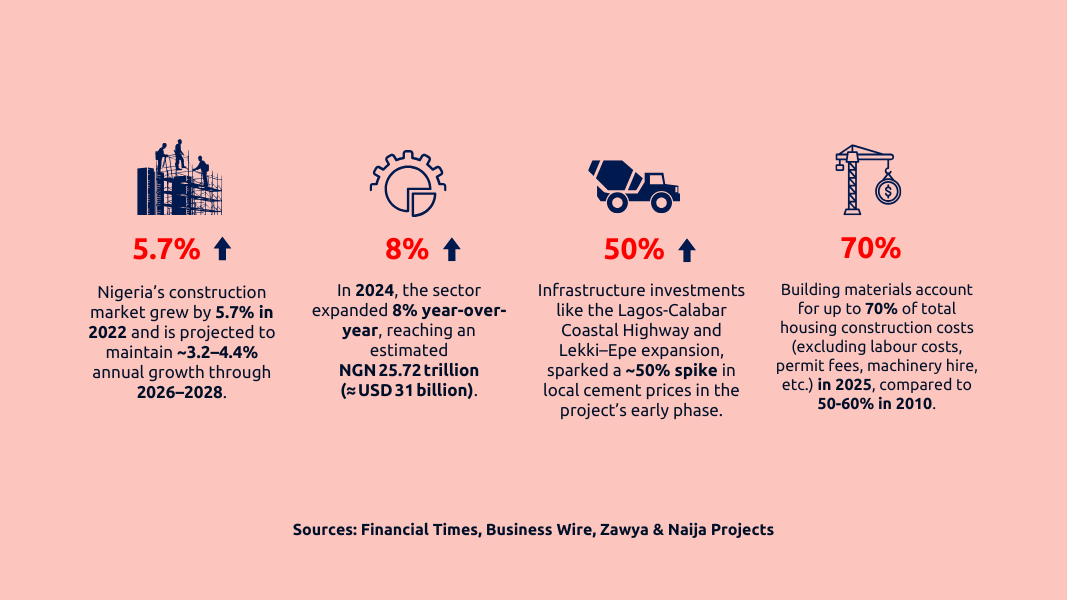
This climbing demand emphasizes mid-sized factories’ ability to locally meet growing needs in fast-growing urban areas, without overcommitting to oversized capacities.
Packaging
As regional FMCG and pharmaceutical sectors scale, so too does the demand for plastics, flexible packaging, corrugated boxes, and labeling solutions, opening up robust opportunities for integrated packaging manufacturers.
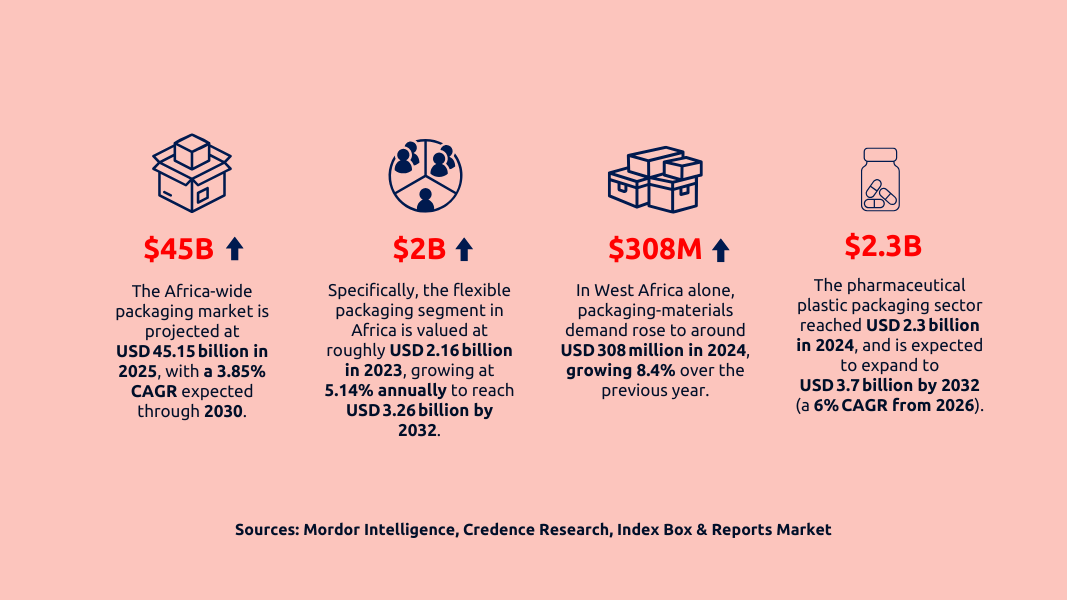
This upward trajectory across segments such as plastics, corrugated, flexible films, pharma closures, makes mid-scale packaging plants well-positioned to meet evolving, high-margin demand from FMCG and pharma manufacturers.
|
Sector |
Key Stats |
|
FMCG (Nigeria) |
+18.1% value growth (2023) Q4’23 up 21.6% –3.3% volumes –17.4% transaction count (2024) |
|
Building Materials (Nigeria) |
+5.7% construction market growth (2022) CAGR ~3.2%–4.4% (2022–2028) +8% output in 2024 (NGN 25.7T) +50% local cement prices |
|
Packaging (West Africa) |
USD 45.15B market (2025) 3.85% CAGR Flexible packaging USD 2.16B (2023) 5.14% CAGR West Africa packaging USD 308M (2024) 8.4% growth Pharma plastic packaging USD 2.3B (2024) 6% CAGR |
Summary of specific statistics highlighting the surging local demand across key sectors
Regional demand is changing in ways that favor nimble, mid-sized manufacturing setups. International investors can capitalize by establishing plants with adaptable capacity in Lagos, tapping into this demand and leveraging export pathways across ECOWAS.
Why Mid-Sized Factories Are the “Sweet Spot”
Large-scale industrial projects can be high-risk, especially in emerging markets. Mid-sized factories, by contrast, offer several compelling advantages that make them strategically attractive for international investors:
Speed to Market: With modular construction and streamlined permitting, a mid-sized manufacturing plant can go from concept to operation in under 12 months, especially in special economic zones (SEZs) like the Lagos Free Zone.
Lower Capital Requirement: Investments typically range from $5–30 million (source: undp.org), significantly less than large-scale greenfield projects, making them more palatable for private equity or family office capital.
Scalability: Mid-sized operations allow for incremental scaling, expanding capacity in line with verified demand, rather than speculative forecasts.
Proximity to Market: With regional trade agreements such as ECOWAS (source: punchng.com), manufacturers in Lagos can access a 400+ million-person market with reduced tariffs and logistical barriers. (source: worldometers.info)
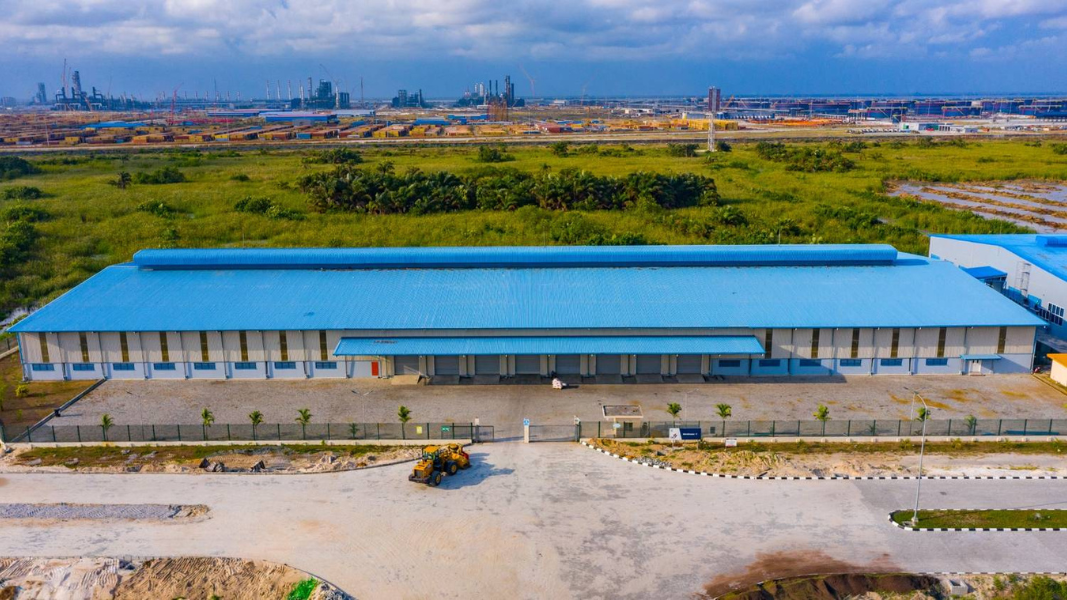
Aerial View of Prefab Warehouse in Lagos Free Zone
The Role of Infrastructure in Catalyzing Growth
One of the accelerators of this mid-sized manufacturing growth in Lagos is the availability of fully integrated SEZs like the Lagos Free Zone (LFZ). For mid-sized manufacturers, these zones
eliminate many of the traditional bottlenecks, such as unstable power, long licensing timelines, or urban congestion, and provide a predictable cost and regulatory environment.
The tax incentives and 100% foreign ownership provisions are drawing growing interest source: usinessday.ng) from Indian, Chinese, Turkish, and European manufacturers, to the Lagos Free Zone (LFZ), especially those in consumer goods, chemicals, pharmaceuticals, engineering, home products, and industrial inputs.
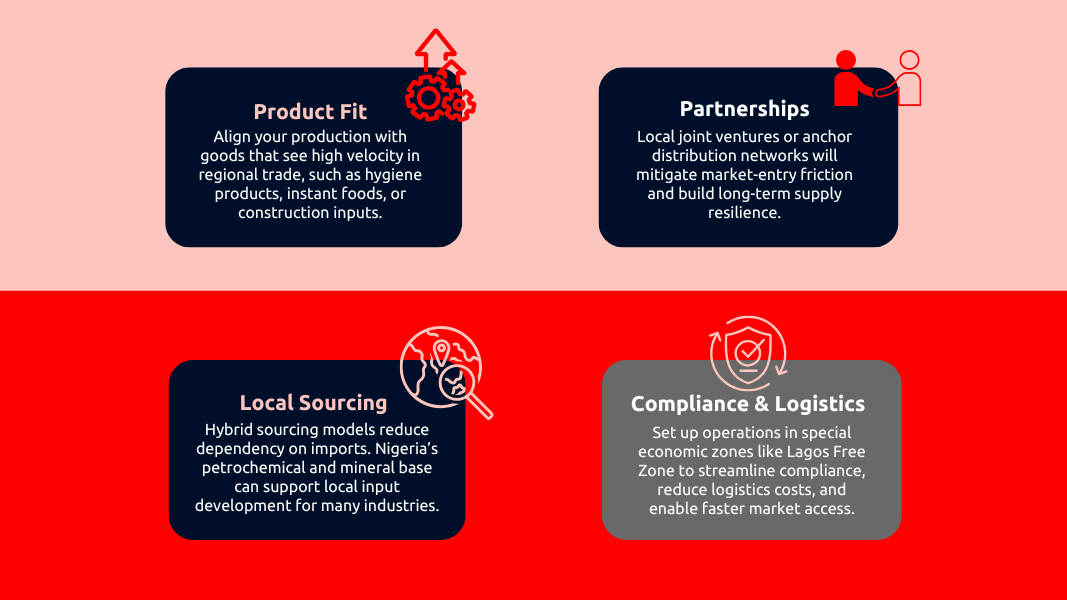
What Global Manufacturers Should Know
If you’re an investor or company looking to enter the West African industrial space through Lagos, here are some strategic considerations:
Mid-sized manufacturing is the new industrial gold standard in West Africa. As regional consumption patterns mature and infrastructure accelerates in key cities like Lagos, the opportunity for international investors is clear: build lean, scale fast, and stay close to the market.
With dynamic ecosystems like the Lagos Free Zone offering a launchpad for export-oriented and locally embedded factories alike, now is the time to rethink how, where, and at what scale your next manufacturing venture begins in West Africa.
Now, find out about Global Supply Chain Diversification From China to Nigeria in 2025